
The importance of emotional detachment for a simple and minimalist life
The Essence of Emotional Detachment
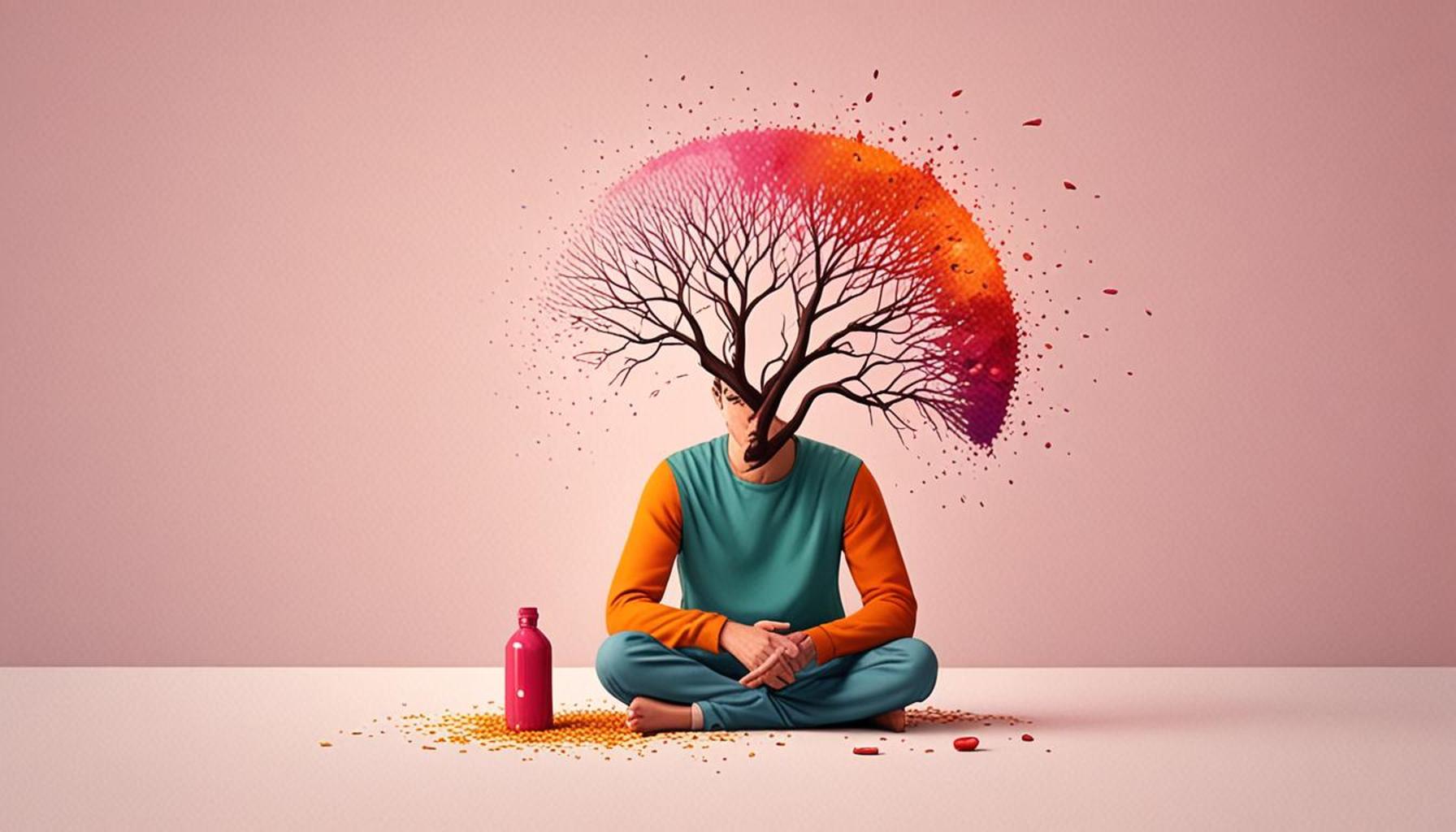
In an era where distractions abound and emotional engagement is often pushed to its limits, emotional detachment emerges as a purposeful strategy. It invites individuals to take a step back from overwhelming feelings and material possessions, ultimately leading to a life that’s not only simpler but also more fulfilling. While it may sound counterintuitive, emotional detachment is not about shutting oneself off from feelings; rather, it’s about cultivating a sense of awareness that allows for a healthier relationship with those emotions and the external world.
Why Consider Emotional Detachment?
Incorporating the practice of emotional detachment into daily life can provide numerous advantages, making it a compelling proposition for many:
- Reducing Stress: By releasing emotional baggage that can weigh heavily on the psyche, individuals can significantly alleviate anxiety. For instance, letting go of grudges can lead to a more peaceful state of mind, allowing one to navigate life’s challenges with greater resilience.
- Enhancing Clarity: Embracing a minimalist mindset not only involves de-cluttering physical spaces but also mental ones. With fewer emotional distractions, decision-making becomes clearer, enabling individuals to focus on what is truly important. This can be particularly beneficial in professional settings, where clarity can lead to increased productivity and creativity.
- Encouraging Freedom: Emotional detachment can liberate individuals from the burdens of excessive attachments, whether they are to people, possessions, or past experiences. This freedom allows for personal growth and encourages a more explorative approach to life, reducing the fear of loss that often hinders exploration and adventure.
The modern American lifestyle, with its incessant barrage of advertising and societal expectations, often cultivates an environment where consumerism and emotional entanglement thrive. Many find themselves in a relentless pursuit of material goods, chasing after validation that is fleeting at best. Understanding and applying emotional detachment can serve as a counterbalance to this overwhelming consumer culture.
Exploring the Concept
Throughout this article, we will explore the notion of emotional detachment in greater depth, elucidating that it is not an abandonment of feelings but rather a disciplined approach to them. This perspective promotes emotional awareness, encouraging individuals to understand their feelings without being consumed by them. By fostering such awareness, you can design a lifestyle that highlights genuine priorities, values, and desires, steering clear of unnecessary noise and distractions.
We invite you to delve deeper into practical strategies for achieving emotional detachment. From mindfulness practices to the art of letting go, you will uncover invaluable insights that can transform your approach to both emotional health and minimalist living. Together, let’s embark on a journey toward a more intentional, meaningful existence.
DISCOVER MORE: Click here for effective decluttering strategies
Understanding the Value of Emotional Detachment
Embarking on a journey towards a simple and minimalist life begins with a profound understanding of emotional detachment. This concept allows individuals to sift through the complexities of their emotions and relationships, prioritizing what genuinely adds value to their lives. In a culture that often equates happiness with material possessions and social validation, emotional detachment serves as a breath of fresh air, promoting intentionality in daily choices.
The Dynamics of Attachment and Detachment
To appreciate the significance of emotional detachment, it’s crucial to grasp the dynamics of attachment. Humans are naturally inclined to form attachments—whether they be to people, places, or items. These connections can enrich our lives; however, excessive attachment often leads to emotional turmoil and stress. The key lies in striking a balance. Here are some insights on this balance:
- Recognizing Emotional Triggers: Understanding what triggers strong emotions allows individuals to approach their feelings with a more analytical mindset. For example, a person might recognize that their attachment to certain possessions stems from nostalgia, which can cloud judgment and lead to clutter, both materially and emotionally.
- Assessing True Value: Emotional detachment offers an opportunity to evaluate what truly matters. By detaching from the emotional weight of certain possessions or relationships, one can assess their significance more clearly. Items that once felt essential may turn out to be inconsequential noise in the quest for a streamlined life.
- Embracing Change: One of the challenges attached to strong emotional connections is the fear of change. Emotional detachment equips individuals with the resilience to navigate changes without being paralyzed by fear or regret. This flexibility enables a smoother transition towards a simpler lifestyle.
Moreover, the pursuit of minimalist living intertwined with emotional detachment is not merely about discarding items or reducing clutter; it encompasses a shift in mindset. A minimalist approach encourages individuals to consciously select what enters their lives, fostering a sense of ownership over emotional states. Research has shown that those who practice emotional detachment report better emotional regulation and a greater sense of well-being, aligning perfectly with the principles of minimalist living.
The Connection to Mindfulness
The journey toward emotional detachment is often enhanced through mindfulness practices. By cultivating mindfulness, individuals can observe their thoughts and feelings without becoming entwined with them. This observation allows for an understanding of which emotions deserve attention and which might be allowed to fade away. Techniques such as meditation, journaling, or even intentional breathing exercises can create conducive space for emotional clarity.
As we delve deeper into the practice of emotional detachment, we will explore practical tips and actionable strategies that can be integrated into everyday life. By incrementally adopting these techniques, one can embark on a journey that prioritizes simplicity, minimalism, and emotional wellness. This path is not just about shedding belongings but also about releasing the emotional burdens that impede genuine happiness and fulfillment.
| Advantage | Description |
|---|---|
| Increased Clarity | Emotional detachment allows for better decision-making as feelings do not cloud judgment. |
| Reduced Stress | By letting go of emotional baggage, individuals can enjoy a more peaceful, simple life. |
| Enhanced Focus | Less emotional strain provides the mental space to prioritize what truly matters in life. |
| Improved Relationships | Emotional detachment helps in setting healthy boundaries, leading to more constructive interactions. |
The significance of emotional detachment in embracing a simple and minimalist lifestyle cannot be overstated. By understanding the role of emotional detachment, individuals can pave the way toward achieving peace and fulfillment. When we detach emotionally from material possessions and fleeting desires, we make room for clarity and purpose in our day-to-day choices. Moreover, the ability to separate oneself from emotional turmoil leads to a significant decrease in stress levels. Creating a life rooted in simplicity allows us to focus on what truly matters, cultivating deeper, more meaningful connections with others while setting healthy boundaries. Through this practice, one can grasp true freedom, liberating themselves from societal expectations and materialistic pressures. Exploring these aspects further enriches our understanding of how emotional detachment is not merely a practice but a pathway towards achieving the ultimate goal of a minimalist life: freedom from excess burdens.
DISCOVER: Click here to learn more
Practical Strategies for Cultivating Emotional Detachment
As we navigate the intricacies of emotional detachment, it is vital to incorporate practical strategies that enhance our ability to embrace a simpler and more minimalist lifestyle. These techniques not only foster emotional well-being but also pave the path toward a clutter-free existence. Here, we will explore actionable methods to cultivate emotional detachment.
Mindful Decluttering
One of the most potent practices for emotional detachment is mindful decluttering. Rather than hastily discarding items, this process encourages individuals to engage in reflective decision-making about what to keep and what to let go. Start by selecting one area of your home and categorizing belongings based on the emotions they evoke. For instance, if a piece of furniture or clothing triggers feelings of guilt or obligation, it may be time to release it. This conscious approach allows for clearer insight into what truly matters and creates emotional space.
Journaling for Clarity
Utilizing a journal can become a powerful ally in the pursuit of emotional detachment. Journaling fosters self-reflection and clarity, serving as an outlet for processing emotions. By writing down thoughts and feelings, individuals can detach from them, gaining distance and perspective. Exploring questions like “What emotions do I associate with this item?” or “How does this relationship contribute to my happiness?” enables deeper understanding. Over time, these entries may reveal patterns and insights important for making mindful choices in life.
Limiting Social Media Exposure
In a world dominated by social media, it can be incredibly challenging to maintain emotional detachment. The curated lives displayed online can evoke feelings of inadequacy and comparison, perpetuating unhealthy attachments to societal expectations. Limiting social media use is crucial for emotional detachment; a structured approach can involve setting specific time frames for digital engagement or unfollowing accounts that evoke negative feelings. This boundary fosters a clearer appreciation for personal experiences and a focus on what truly matters.
Establishing Healthy Boundaries
Another essential aspect of emotional detachment is the establishment of healthy boundaries in relationships. This involves communicating clearly about personal needs and limits, enabling more authentic interactions without the weight of emotional dependency. Practicing “no” as a complete sentence can drastically reduce the stress associated with overcommitment or toxic dynamics. Healthy boundaries encourage emotional resilience, allowing individuals to invest in relationships that foster growth and positivity without compromising their peace of mind.
Practicing Gratitude
Emotional detachment does not imply an absence of love or appreciation; rather, it is about cultivating a broader perspective. Practicing gratitude can help individuals reconnect with the present moment, fostering appreciation for what they have without clinging to it. Engaging in daily gratitude exercises, such as listing three things one is grateful for each morning, shifts focus away from material desires and towards present abundance. This shift nurtures emotional detachment by reinforcing the understanding that happiness is not dependent on possessions.
Embracing these practical strategies allows individuals to cultivate a mindset that supports both emotional detachment and a minimalist lifestyle, ultimately contributing to a more fulfilling existence. By prioritizing emotional clarity and intentional living, one can reveal the true beauty in simplicity.
DISCOVER MORE: Click here for practical decluttering tips
Conclusion
In a world where excess often overshadows essence, emotional detachment emerges as a transformative strategy for anyone seeking a simple and minimalist life. This approach enables individuals to disentangle themselves from the emotional clutter that binds them to possessions and relationships that do not serve their well-being. By prioritizing mindfulness, journaling, boundary-setting, and gratitude, we can foster an inner landscape of clarity and freedom.
Understanding the importance of emotional detachment extends beyond merely letting go; it is about embracing an empowered sense of self. As we learn to navigate our lives with intention, the act of decluttering not only our spaces but also our sentiments leads to enhanced emotional resilience. Fulfilling connections and the true essence of joy become our guiding lights, rather than societal expectations or material possessions.
As you embark on this journey, consider that true simplicity is not found in austerity, but in a profound appreciation for what truly matters. Cultivating emotional detachment does not mean rejecting love or experiences; instead, it nurtures a perspective that prioritizes contentment over chaos. Take the time to explore the depths of your emotional landscape and apply the strategies discussed. In doing so, you can usher a life filled with authenticity, peace, and a deeper connection to your true self.