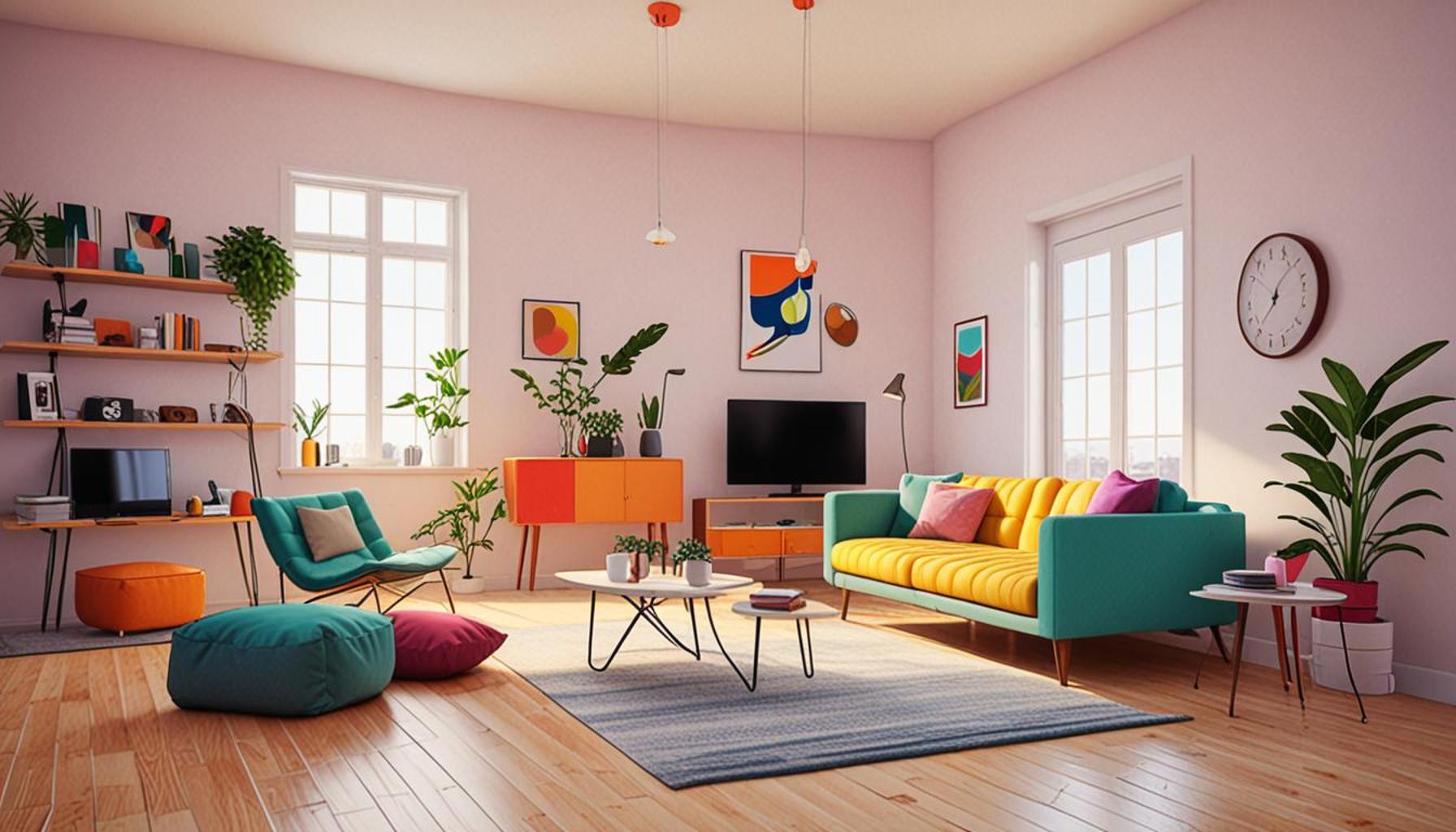
Minimalism in Practice: Creating a Functional and Cozy Living Space
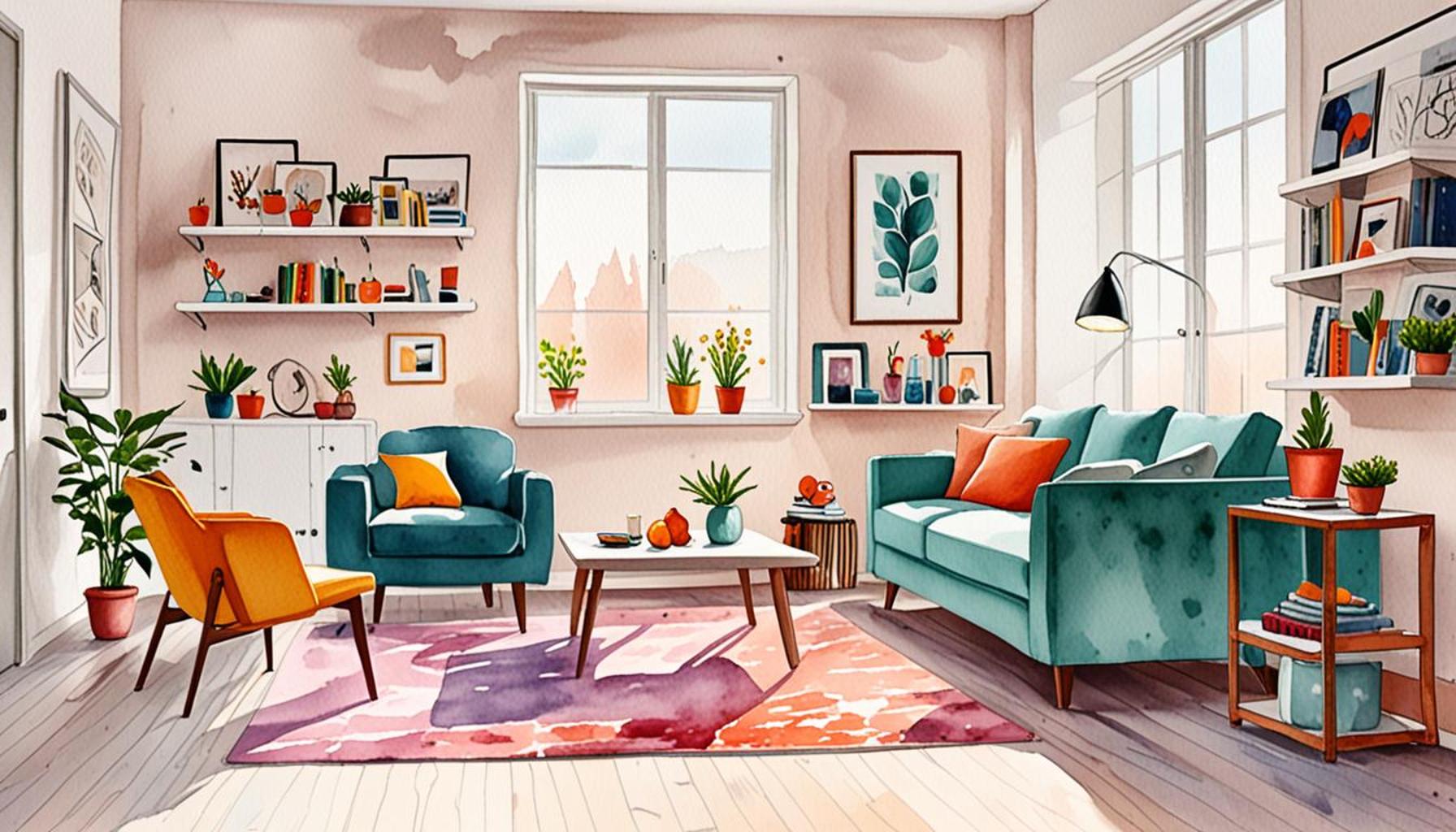
The Rise of Minimalism
In a landscape dominated by consumerism and a relentless tide of online shopping, the movement towards minimalism stands as a powerful response. More than merely a trend, minimalism is a lifestyle that promotes simplicity, clarity, and intentional living. It invites individuals to strip away the excess, focusing on what truly enriches their lives. With a minimalist approach, individuals can discover the joy of living with less, allowing for a more meaningful experience.
Benefits of Minimalism
The allure of minimalism lies in its profound benefits. One significant advantage is enhanced focus. In a home filled with reminders of tasks undone or possessions that no longer serve a purpose, it can be challenging to concentrate on what matters, whether that’s work, hobbies, or family time. A decluttered environment not only invites clearer thoughts but also allows for increased productivity, as the mind is free from the distractions of chaos.
Additionally, embracing minimalism leads to lower stress levels. In contemporary society, the mind becomes overwhelmed with the constant barrage of stimuli. A peaceful and orderly space can mitigate these pressures. Imagine stepping into a room adorned with soft colors and streamlined furniture, where each item has its place. This organized atmosphere fosters tranquility, paving the way for relaxation and mindfulness.
Another profound characteristic of minimalism is the increased space it affords. By focusing solely on essential items and sacrificing the superfluous, individuals can create a more spacious layout. This doesn’t just apply to physical square footage; it also pertains to mental space. When the clutter is removed, there’s room for creativity, personal growth, and deeper connections with loved ones. For example, an open floor plan can facilitate social interactions and provide areas that promote companionship rather than isolation.
Creating Your Minimalist Sanctuary
When curating a minimalist living space, the priority shifts from quantity to quality. Each piece of furniture or decor should be a conscious choice, serving a clear function while enhancing the overall aesthetic. This principle can be exemplified through the use of adaptable furniture such as a sofa that transforms into a sleeper bed for unexpected guests, or a coffee table that doubles as storage.
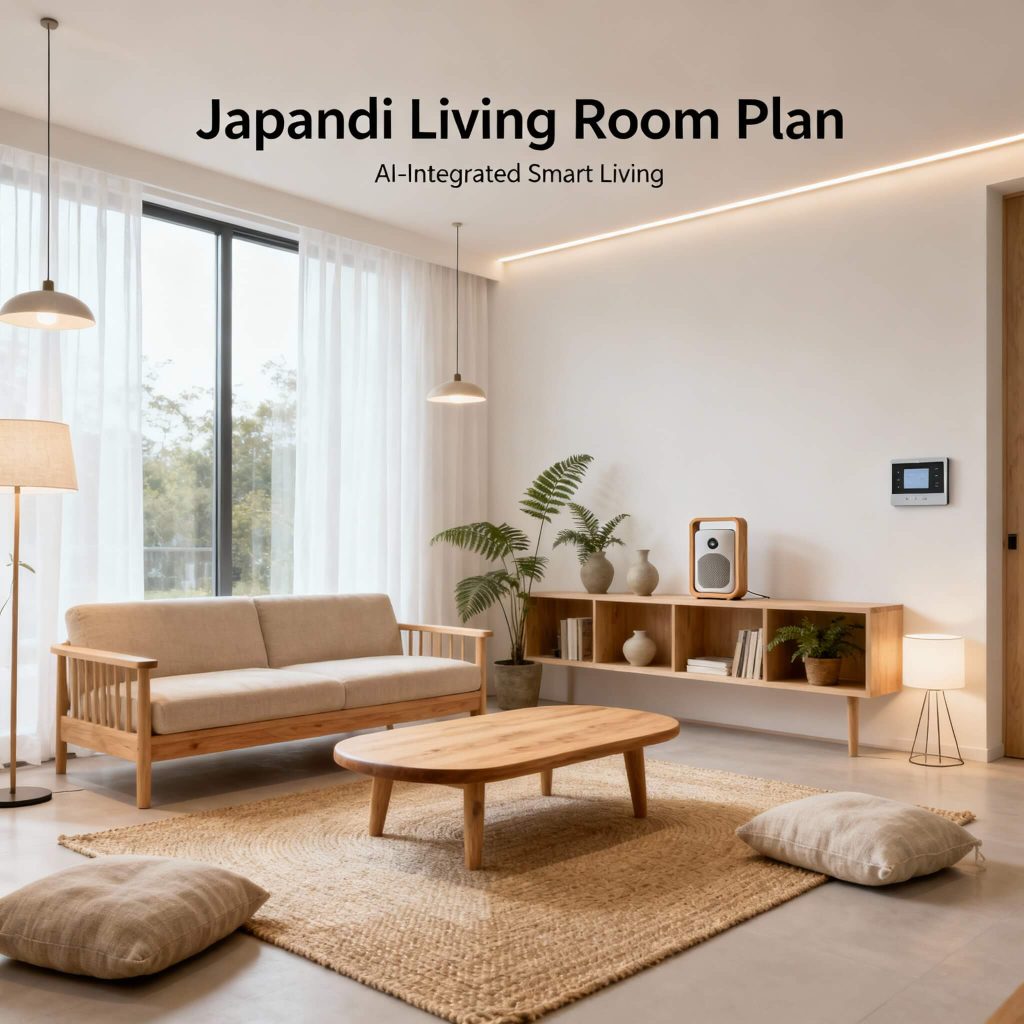
Integrating a neutral color palette can also complement minimalism, as it evokes a sense of calm and relaxation. Shades of white, beige, and grays can create a seamless harmony in your environment, allowing personal touches to stand out beautifully. Incorporating elements like plants, art, or personal photographs can infuse individuality while maintaining a decluttered feel.
Ultimately, adopting a minimalist approach can be a transformative journey that changes not only your living space but also your entire lifestyle. It encourages individuals to evaluate their consumption habits, prioritize experiences over possessions, and focus on nurturing relationships. By embracing minimalism, you forge a path toward a cozy atmosphere that is not only functional but also elegantly styled, embodying a deeply personal sanctuary that resonates with who you truly are.
DISCOVER MORE: Click here to learn about the importance of digital detox
Understanding the Core Principles of Minimalism
Embracing minimalism begins with understanding its core principles. To create a functional and cozy living space, individuals must first recognize that minimalism is not merely about having fewer items; it’s about making deliberate choices to cultivate an environment that promotes well-being. By assessing one’s belongings and prioritizing those that hold true value, individuals can transform their surroundings into a sanctuary of calmness and utility.
One of the foundational tenets of minimalism is intentionality. This requires that each possession in your home serves a purpose. It can be tempting to hang onto items due to sentimental value or perceived future usefulness, but an essential part of minimalism is the ability to let go. Ask yourself questions such as:
- Does this item make me happy?
- Does it serve a functional purpose in my daily life?
- Can I replace it easily if necessary?
This reflective process can lead to a more curated and enjoyable space, enabling you to appreciate the items you choose to keep. For instance, rather than a crowded bookshelf filled with every book you’ve ever owned, consider retaining only those texts that inspire and uplift you. This can shift your focus from quantity to quality, nurturing the relationship you have with your possessions.
Smart Storage Solutions
Efficient storage solutions are another component integral to attaining minimalism in practice. When dealing with the realities of modern living, particularly in smaller urban apartments, finding innovative storage options is imperative. Utilize multifunctional furniture, such as ottomans with hidden storage or beds with drawers underneath, to maximize your available space. Wall-mounted shelves can help display cherished items without cluttering the floor space, preserving a sense of openness in the room.
Another approach to achieving a minimalist sanctuary is to embrace open shelving. This design strategy encourages a display of select items while avoiding the overwhelming mess that often accompanies closed cabinets. By limiting the number of decor pieces displayed, you can create a cohesive look that feels modern and light. One beneficial aspect of open shelving is that it allows for easy access to your belongings, reducing the chances of forgetting about items that may have been hidden away.
The principle of clarity extends to the layout of your living space as well. Keeping pathways unobstructed and furniture arrangements simple facilitates smoother movement and interaction. A well-thought-out floor plan invites warmth and connectivity, rather than bottlenecks that disrupt the flow of daily life.
In summary, understanding and applying the core principles of minimalism is essential to creating a functional and cozy living space. By adopting intentionality, maximizing storage solutions, and maintaining clear layouts, individuals can craft a home that embodies tranquility and purpose. This journey toward minimalism not only enhances physical surroundings but nurtures a clear mindset, allowing for more enriching experiences and deeper connections with loved ones.
| Advantages | Description |
|---|---|
| Enhanced Focus | Minimalist spaces help reduce distractions, allowing individuals to concentrate more deeply on their tasks. |
| Increased Comfort | Creating a cozy and functional living area fosters relaxation and promotes mental well-being through curated environmental settings. |
| Sustainable Living | Emphasizing quality over quantity leads to more sustainable choices, benefiting both the environment and your wallet. |
| Efficient Space Utilization | Minimalism encourages thoughtful design that maximizes the utility of every inch of your living space. |
In the journey of adopting a minimalist lifestyle, the benefits are both profound and diverse. As individuals embrace the tenets of minimalism, they find a pathway that leads not only to a visually pleasing environment but to an enriched quality of life. The principles of ‘Minimalism in Practice: Creating a Functional and Cozy Living Space’ rest firmly on the values of intentionality and sustainability, reshaping not just our spaces but also how we perceive our lives within them. By understanding these advantages, readers are invited to explore how adopting minimalism could enhance their living experiences.
DISCOVER MORE: Click here to learn effective strategies
Incorporating Color and Texture Thoughtfully
When it comes to minimalism, it’s a common misconception that neutral colors must dominate a minimalist home. While a subdued color palette can certainly create a tranquil atmosphere, incorporating color and texture strategically can infuse a space with warmth and personality. The key is to select a few standout hues that resonate with your personal aesthetic while maintaining a cohesive look.
One effective approach is to utilize accent walls or statement pieces, such as artwork or furniture, in bolder colors that contrast with the general tone of your space. For instance, a deep blue or a rich emerald green accent wall can act as a striking focal point, drawing the eye and adding depth to otherwise minimal décor. Moreover, integrating various textures through rugs, cushions, or throws can enhance comfort and prevent the environment from feeling sterile or flat.
Textiles, when chosen mindfully, serve dual roles of decoration and functionality. Consider adding a plush area rug beneath a simple coffee table, which can anchor the room and provide a soft area for seating. Layering different textures, such as a knitted throw over a sleek leather couch, can create an inviting atmosphere that feels intentional and curated.
Mindful Lighting: Creating Ambiance and Warmth
Lighting plays a vital role in cultivating a cozy ambiance in a minimalist space. The right lighting can dramatically change the feel of a room, transforming it from stark and cold to warm and inviting. Minimalists should focus on using a combination of natural and artificial light to achieve the desired atmosphere.
Maximizing the use of windows, where possible, invites ample natural light into your home. This could mean using sheer window treatments to maintain privacy while allowing sunlight to filter through. For the evenings, incorporating a well-thought-out lighting scheme is essential. Layered lighting—using a mix of floor lamps, pendant lights, and wall sconces—can create zones within a living space, adding depth and warmth. A dimmer switch is a simple enhancement that allows for adjustable brightness, enabling you to set the mood as needed.
In addition to functional lighting, consider the aesthetic aspect by choosing fixtures that align with your minimalist vision. Sleek, modern designs in materials like matte metal or glass can act as statement pieces without overwhelming the overall simplicity of a room.
Creating a Functional Routine
Beyond physical elements, minimalism in practice encompasses the development of efficient daily routines that support a balanced lifestyle. A clutter-free living space must be complemented by a mindset that emphasizes simplicity and functionality in your day-to-day activities. Start by evaluating your routines: are there tasks you can streamline or simplify?
Using planners or digital tools to organize your schedule can minimize stress and help allocate time for what truly matters. Designating specific areas in your home for essential daily items—like keys, mail, and personal electronics—can alleviate the chaos of misplaced belongings, enhancing both the functionality and ease of navigating your space.
Consider incorporating ritualistic practice into your routine, such as morning or evening rituals that promote mindfulness and reflection. These simple habits can deepen your sense of connection to your environment and cultivate a warmth that resonates throughout your home.
Ultimately, minimalism is about crafting an intentional living environment that reflects your priorities and values. By focusing on thoughtful color choices, optimal lighting solutions, and streamlined routines, you can transform your space into a functional haven that invites both comfort and joy.
DISCOVER MORE: Click here to learn about the benefits of a digital detox
Conclusion: Embracing Minimalism for Lasting Comfort
In a world often characterized by overload and distraction, minimalism emerges as a refreshing antidote, offering a path toward creating a living space that is not only functional but also deeply cozy. By embracing a minimalist approach, you are inviting simplicity and intention into your home, allowing it to reflect your values and priorities.
Strategic color choices and thoughtful textures add layers of warmth and personality, transforming stark spaces into inviting havens. Coupled with mindful lighting, you can curate an atmosphere that adapts to the mood of the moment, whether that be intimate evenings or energizing afternoons. Furthermore, developing a functional routine around a minimalist mindset enhances not only your living space but also your overall well-being. By simplifying everyday tasks and creating designated areas for essentials, you can minimize chaos and promote a sense of peace within your home.
Ultimately, the beauty of minimalism lies in its adaptability. It invites you to experiment and find what resonates best with your lifestyle. As you embark on this journey towards a more cozy and functional living environment, remember that the goal is not to strip your home of character but to elevate it by focusing on what truly matters. The essence of minimalism can lead to a more mindful existence, promoting not just a beautiful aesthetic but a fulfilling way of life. Explore, embrace, and make it your own; the possibilities are as endless as your imagination.