Create a Minimalist Living Space to Boost Productivity Efficiently
Introduction
In an increasingly chaotic world, the concept of a minimalist lifestyle emerges as a refreshing antidote. It offers individuals a path to reclaiming focus and serenity by stripping away the non-essential. The idea is simple yet profound: by cultivating a living space that eliminates distractions, you can directly enhance your productivity.
Minimalism transcends mere decor; it is a comprehensive approach to personal organization and mental clarity. A minimalist space encourages not just physical tidiness but also a mental state conducive to deep work and creativity. As we investigate the powerful link between minimalism and productivity, consider how your own environment may be shaping your daily effectiveness.
What to Expect
- Discover why minimalism matters in today’s fast-paced society.
- Explore practical strategies for creating a productive living environment.
- Review our curated list of the Top 5 tips for implementing minimalism.
Prepare to dive deep into the essentials of crafting a space that not only looks good but also functions seamlessly to enhance your daily productivity.
Top 5 Ways to Create a Minimalist Living Space that Boosts Productivity
In today’s fast-paced world, the concept of minimalism has gained popularity as an effective strategy for simplifying life while enhancing personal productivity. Cluttered spaces and environments filled with unnecessary distractions can easily impede our ability to focus and achieve our goals. By contrast, a minimalist living space fosters a sense of tranquility and mental clarity, allowing for improved concentration, creativity, and overall efficiency. Here’s an exploration of the top five methods to craft such a space, which can serve as your personal productivity booster.
5. Declutter with Intention
The journey towards a minimalist living area begins with the intentional decluttering of your space. It’s not merely about getting rid of things but doing so with purpose and awareness. Each item in your home should earn its place by serving a specific function, bringing you joy, or contributing to your day-to-day life. To make this process easier, consider the following questions for each item you own:
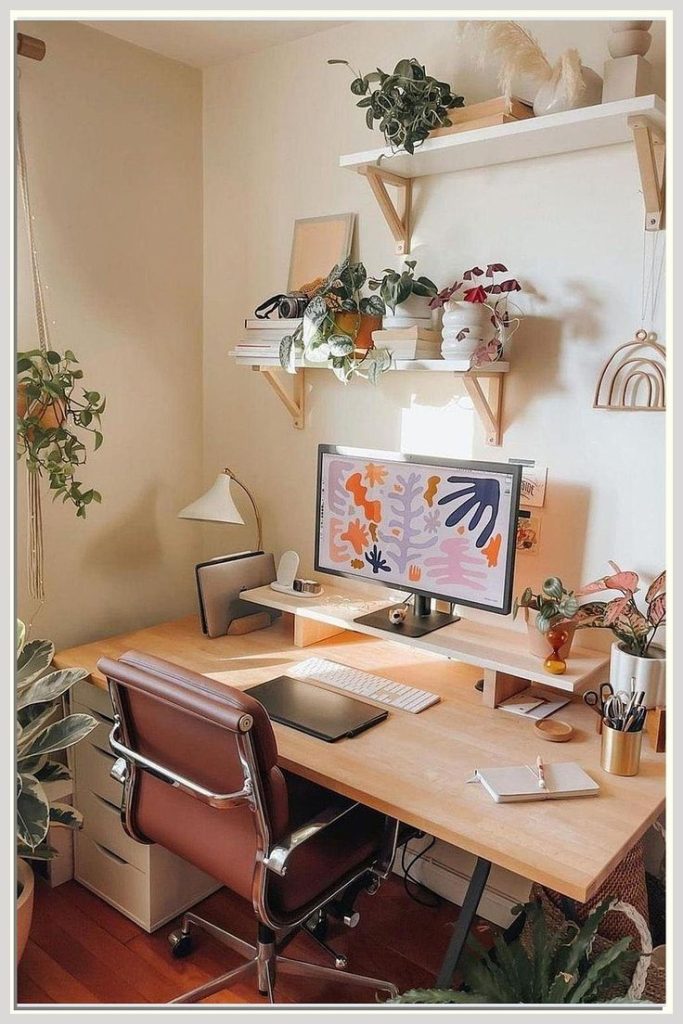
- Does this item serve a functional purpose? For instance, an ergonomic chair can enhance comfort and reduce physical strain during long hours of work.
- Do I genuinely appreciate this item? Consciously keep items that have positive emotional or aesthetic value, like a piece of art that inspires you.
- Do I use it regularly? If an item hasn’t been touched in months, it’s likely not essential to keep making space for it.
By rigorously evaluating your possessions in this way, you can create an environment free of distractions that cultivates a focused and productive mindset.
4. Optimize Furniture Choices
Your choice of furniture plays a significant role in shaping your space’s functionality and aesthetic. Opt for multifunctional and space-saving furniture that complements a minimalist lifestyle. Pieces like a sofa bed, a desk with built-in storage, or nesting tables can help you maximize utility while minimizing clutter. It’s also crucial to choose furniture proportional to your room size; oversized items can make spaces feel cramped and overwhelming, negating the calming effects of minimalism.
Additionally, prioritize furniture with a streamlined and simplistic design, which often contributes to the minimalist look. Sleek lines and simple silhouettes go a long way in maintaining the openness of a room, thereby enhancing your focus and comfort. Remember, the goal is to create a workspace that is both functional and aesthetically pleasing.
3. Color and Lighting Harmony
The choice of color and lighting in your space significantly affects your mental state and productivity levels. Minimalist spaces thrive on a neutral color palette, such as whites, greys, and soft pastels. These tones not only promote tranquility but also don’t compete for attention, which aids in reducing mental fatigue and enhancing concentration. An example of this is the calming effect of a light grey wall, which can also serve as a blank canvas to showcase a few thoughtful art pieces without overwhelming the senses.
Furthermore, the incorporation of lighting is crucial. Natural light is ideal as it boosts mood and energy levels. Place work areas near windows when possible, using sheer curtains to control brightness without blocking light. Where natural light is scarce, simulate it with artificial sources. Use a mix of overhead lighting, task lamps, and accent lights to illuminate your space warmly and effectively.
2. Create Defined Zones
A critical aspect of enhancing productivity in a minimalist space is the strategic creation of defined zones. This involves assigning specific areas for certain activities, which helps in organizing physical spaces as well as mental tasks. For example, dedicate a corner with a desk solely for work, free from clutter and non-work-related items, to condition your mind for productivity.
Similarly, define a relaxation zone using a simple armchair and a small bookshelf in another part of the room that differs aesthetically from your workspace. Such distinctions promote mental clarity by training you to associate specific zones with specific activities. This concept is particularly effective in open-plan apartments, where furniture and rugs can subtly demarcate different areas without obstructing the overall sense of openness and fluidity.
1. Embrace Digital Minimalism
In the digital age, digital minimalism complements a physically minimalist space and plays a vital role in enhancing productivity. Begin with your devices: declutter files, remove apps that no longer serve you, and organize your digital workspace. Unsubscribe from non-essential newsletters and manage notifications to minimize interruptions.
Consider incorporating practices such as checking emails at scheduled times rather than sporadically throughout the day. This reduces cognitive load and allows for deeper focus on essential tasks. Additionally, minimizing usage of social media can aid in reclaiming time and attention, which are often scattered by the barrage of online interactions and notifications.
By implementing these strategies, you can enhance your physical and digital environments, fostering a space that truly supports productivity and personal growth. Remember, the essence of creating a minimalist living space lies in understanding that less is more. Through intentional design and thoughtful removal, you create an environment that is not only functional but also a serene haven for work and life.
Creating a minimalist living space that promotes productivity is increasingly relevant in our fast-paced world, where clutter can often lead to distractions and overwhelm. The essence of this approach lies in simplifying your environment to foster clarity and focus. Below is an HTML formatted table that details the advantages of this concept, exploring different categories that can enhance your engagement with minimalism.
| Category | Description |
|---|---|
| Spatial Efficiency | Utilizing space effectively allows for a more functional area where everything you need is easily accessible, thereby enhancing workflow. |
| Reduced Distractions | A minimalist environment minimizes sensory overload, allowing your mind to focus better on priorities rather than being distracted by clutter. |
| Mental Clarity | A clean and simplified space can lead to improved mental clarity, making it easier to think critically and creatively. |
| Time Management | Less time spent organizing and cleaning translates to more time dedicated to productivity, enabling you to achieve your goals more efficiently. |
Incorporating these elements into your living space can yield significant benefits. For instance, by embracing spatial efficiency, you are not only optimizing how you use the space but also creating a setting that encourages productivity. Each object in a minimalist space tends to serve a purpose, limiting the number of items that may divert attention.Moreover, a decrease in distractions is essential. Clutter can lead to a chaotic feeling, making it hard for one to engage effectively in tasks. This concept emphasizes the importance of a streamlined environment in increasing focus and sharpening one’s ability to engage with work.Mental clarity is another pivotal aspect. A simplistic atmosphere encourages clearer thinking and boosts one’s capacity for creativity and problem-solving. By stripping away unnecessary visual noise, you allow your brain to concentrate on what truly matters.Lastly, one’s approach to time management is profoundly affected in a minimalist setup. With fewer belongings to maintain and organize, individuals often find that they can allocate their time more effectively, focusing on productive tasks rather than mundane chores. As you explore these categories, consider how they might apply to your unique living space in a way that truly enhances productivity.
Frequently Asked Questions about Creating a Minimalist Living Space that Promotes Productivity
What are the key elements of a minimalist living space?
A minimalist living space is characterized by simplicity and functionality. It usually involves a neutral color palette, decluttered spaces, and a focus on natural light. The aim is to create an environment that reduces distractions and fosters tranquility. Key elements include multi-functional furniture, limited decorations, and a significant reduction of excess items. Every item should have a purpose and contribute to the overall harmony of the space.
How does minimalism improve productivity?
Minimalism improves productivity by eliminating unnecessary distractions and fostering a sense of calm. A well-organized, clutter-free environment can help clear your mind, allowing you to focus more effectively on tasks. By minimizing visual stimuli, mental clarity is enhanced, which can lead to improved concentration and efficient time management. Additionally, maintaining a minimalist workspace can reduce stress and create more room for creativity and innovative thinking.
What first steps should I take to transition to a minimalist living space?
Begin by evaluating your current space and identifying items that you no longer use or need. This is often referred to as the decluttering phase. Sorting through possessions and making conscious decisions about what truly adds value to your life is crucial. Following that, consider opting for quality over quantity, ensuring that each item you keep enhances your living environment. Lastly, establish a system for organizing what remains, focusing on simplicity and accessibility.
Can minimalism be personalized to fit my lifestyle?
Absolutely! Minimalism is not about adhering to a rigid set of rules but about creating a living space that resonates with your personal values and lifestyle. You can tailor your minimalist approach to align with your aesthetic preferences and functional needs. The foundation is simplicity, but how you achieve it—whether through modern design, a rustic touch, or a blend of styles—is entirely up to you.
Is it expensive to switch to a minimalist lifestyle?
Adopting a minimalist lifestyle doesn’t necessarily have to be costly. In fact, it can often lead to savings. The focus is on mindful consumption and investing in higher quality items that stand the test of time, rather than inexpensive, disposable goods. Start by using or repurposing items you already own. When making new purchases, prioritize items that are versatile and durable, which can, in the long run, prove more economical than regular replacements of poor-quality products.
Conclusion: Creating a Minimalist Living Space for Enhanced Productivity
In a world of constant distractions and overwhelming clutter, the idea of a minimalist living space emerges as a breath of fresh air. Opting for minimalism is not merely a trend but a lifestyle choice that can significantly enhance productivity and overall well-being. By understanding the intricate relationship between our environment and our cognitive function, we can consciously curate spaces that support our goals and aspirations.
To delve deeper into the article’s main points, the journey toward a minimalist environment begins with decluttering. Removing unnecessary items can clear mental fog, paving the way for focused work and creativity. Next, it’s crucial to organize what remains in a way that makes everything accessible and purposeful. This establishes an orderly foundation, supporting seamless daily activity.
Incorporating simplicity in design is another compelling strategy. By selecting functional yet aesthetically pleasing furnishings, we can create a space that fosters calmness and concentration. Another pillar is harnessing natural light, which not only brightens rooms but also enhances mood and productivity levels.
Lastly, the deliberate use of technology and eliminating distractions are vital. Choosing tools and devices that serve a specific purpose without needless complexity can help streamline tasks and promote efficiency.
Ultimately, a minimalist living space transcends mere aesthetics. It is a powerful tool for enhancing productivity, suggesting a profound yet straightforward approach to everyday life. By embracing these practices, we invest in a lifestyle that blends simplicity with functionality. This newfound space invites not only efficiency but tranquility, and perhaps most importantly, it empowers us to focus on what truly matters.