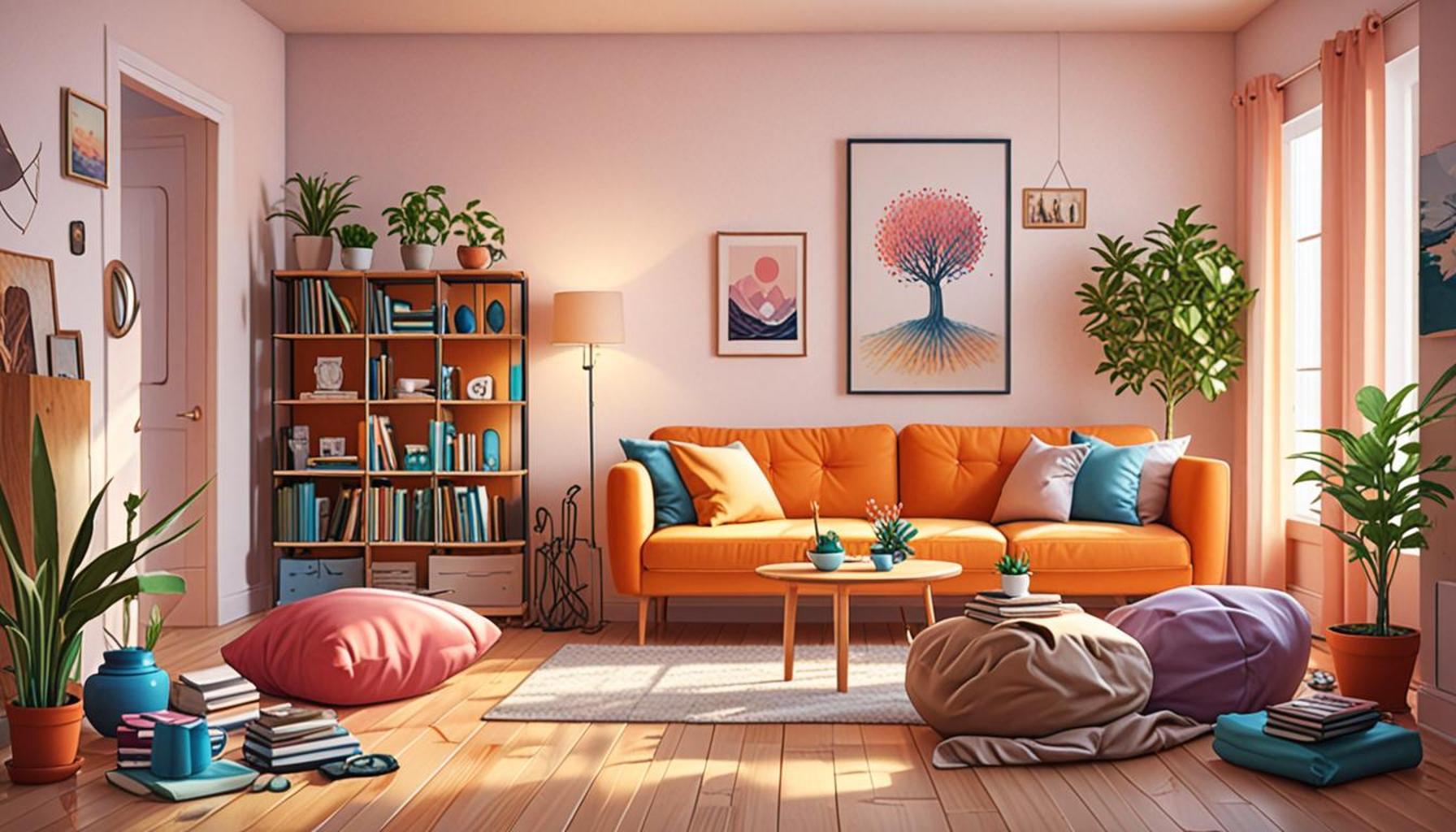
Decluttering as a Form of Self-Care: Nurturing Your Mind and Space

Understanding the Transformative Power of Decluttering
In an era where we are constantly bombarded with information, objects, and responsibilities, the art of decluttering has emerged as a vital technique not just for organizing our physical spaces, but also for fostering our mental well-being. The term has transcended its original meaning, becoming synonymous with self-care practices that promote clarity, peace, and emotional health. Individuals across the United States are beginning to recognize that the state of their surroundings can deeply influence their state of mind and overall life satisfaction.
Reduced Stress and Anxiety
Research suggests that living in cluttered environments can significantly elevate stress levels. For example, a study by researchers at the Princeton Neuroscience Institute found that clutter can make it more difficult for the brain to focus and process information. This heightened anxiety can interfere with our ability to relax and enjoy our homes. In contrast, those who engage in decluttering activities often report feeling a profound sense of relief and relaxation. An organized space can serve as a sanctuary, providing a peaceful retreat from the chaotic demands of everyday life.
Enhanced Focus and Productivity
Clutter not only detracts from our surroundings but also from our ability to concentrate. A tidy environment yields improved focus, thereby enhancing productivity. For instance, professionals working from home have found that maintaining an orderly workspace directly correlates with their performance. A study published in the Journal of Environmental Psychology indicated that organized spaces lead to greater efficiency in task completion. By minimizing distractions and promoting clarity, decluttering allows individuals to channel their energies more effectively towards their goals.
Emotional Clarity and Personal Growth
Letting go of physical items often mirrors a deeper emotional release. As people clear out unused possessions, they create psychological space for new experiences and opportunities. This process can be empowering, fostering a sense of accomplishment and encouraging personal growth. For example, many individuals have shared personal stories of how decluttering enabled them to make significant life changes, such as pursuing new hobbies or careers, which they had resisted due to the emotional weight of their clutter.
Join the Journey
As we unpack the multifaceted rewards of decluttering, we will delve into practical strategies such as the KonMari Method or the Four-Box System—each designed to help simplify the process. Additionally, we will explore psychological insights into why decluttering resonates with so many individuals and share uplifting anecdotes that highlight its transformative potential. Through this exploration, you may discover that making small yet meaningful changes to your environment can not only enhance your physical space but also open the door to unparalleled personal growth and emotional well-being.
Embark on this journey with us, and unlock the benefits that await through the simple yet profound act of decluttering, transforming chaos into clarity.
LEARN MORE: Click here to discover how personal organization can lead to sustainable choices
Practical Strategies for Effective Decluttering
As we embark on the journey of decluttering as a form of self-care, it’s crucial to equip ourselves with practical strategies that simplify the process. The transition from a cluttered, chaotic environment to a serene and organized space doesn’t need to be overwhelming; rather, it can become a rewarding experience that enhances not only our surroundings but also our mental health. Here, we explore several tried-and-true methods that have assisted countless individuals in their decluttering endeavors.
The KonMari Method
One of the most popular decluttering approaches is the KonMari Method, popularized by tidying expert Marie Kondo. This technique is centered around the idea of keeping only those items that “spark joy.” The steps are straightforward:
- Commit to tidying up: Set aside time to focus exclusively on decluttering your space.
- Imagine your ideal lifestyle: Visualize how you want your space and life to reflect your values.
- Tidy by category: Instead of going room by room, organize items by category, such as clothing, books, or sentimental items.
- Thank your items: Before parting with possessions, express gratitude for the role they played in your life.
This method encourages a deep connection to our belongings, allowing individuals to confront emotional ties and ultimately liberate themselves from unnecessary burdens.
The Four-Box System
Another effective approach is the Four-Box System, which organizes the decluttering process into manageable categories. Each box serves a specific purpose:
- Keep: Items that you intend to keep and utilize regularly.
- Donate: Things you no longer need but could be valuable to others.
- Sell: Items in good condition that you can sell for some extra cash.
- Trash: Broken or unusable items that need to be discarded.
This structure allows individuals to make quick decisions about their possessions, minimizing the emotional labor often associated with decluttering, and reinforcing the act as a form of self-care rather than a burden.
Creating a Decluttering Schedule
Incorporating decluttering into your routine can further enhance its benefits. Consider developing a decluttering schedule that dedicates specific times each week to tackle different areas of your home. Start with smaller, less overwhelming spaces, such as a junk drawer or a closet shelf. Gradually advancing to larger areas allows you to witness ongoing progress, and this positive reinforcement can significantly boost your motivation.
Moreover, incorporating decluttering into your self-care regimen can take various forms, such as setting aside time after work to engage in this calming activity, or using weekends as an opportunity for larger projects. Each moment spent organizing brings you closer to achieving a more serene and balanced environment, ultimately nurturing your mind and space.
As we delve deeper into the impact of decluttering on emotional well-being, we will explore not only its psychological benefits but also share real-life stories that highlight the journey of transformation through the act of letting go. These narratives may inspire you to embrace decluttering as a fulfilling aspect of your self-care routine.
| Category | Description |
|---|---|
| Mental Clarity | Decluttering helps clear mental fog, allowing for improved focus and productivity. |
| Emotional Wellness | A tidy space promotes mental peace, reducing anxiety and uplifting your mood. |
| Stress Reduction | Eliminating clutter minimizes visual distractions, alleviating stress in daily life. |
| Empowerment | Engaging in decluttering can create a sense of control, empowering you to take charge of your surroundings. |
By incorporating decluttering practices into your self-care routine, you can foster an environment that enhances your overall well-being. Each step toward organizing your space can lead to profound changes in how you interact with your world. Engaging with your space mindfully transforms it into a sanctuary, improving not just your physical environment but also your mental state. Nurturing both your mind and space through decluttering can unveil pathways to creativity, renewed energy, and a more meaningful existence. Start small and observe how these seemingly minor adjustments can lead to significant shifts, illuminating both your dwelling and your mind.
DISCOVER MORE: Click here to learn how decluttering can enhance your mental wellness
The Psychological Benefits of Decluttering
Moving beyond the practical strategies for decluttering, it’s essential to delve into the underlying psychological benefits that accompany this transformative practice. The act of decluttering can serve as a catalyst for emotional healing, fostering mental clarity and enhancing overall well-being. In a culture saturated with consumerism, being surrounded by belongings often becomes suffocating rather than comforting. Understanding how decluttering acts as a nurturing form of self-care can lead individuals towards healthier mental landscapes.
Reducing Anxiety and Stress
One of the most significant advantages of decluttering is its ability to reduce anxiety and stress. A study conducted by the Princeton University Neuroscience Institute highlights that clutter can overwhelm the brain and hinder our ability to focus. When individuals declutter their environments, they often experience a notable decrease in overwhelm, allowing for a calmer atmosphere. This psychological shift can lead to lower levels of cortisol, a hormone associated with stress, consequently improving overall emotional health.
Enhancing Focus and Productivity
By creating a tidy, organized space, you pave the way for improved focus and productivity. Research indicates that a clutter-free environment fosters better concentration, as mental energy no longer gets consumed by distractions. This heightened focus can translate into increased creativity and efficiency in everyday tasks, be it in your professional life or personal projects. Whether you’re tackling work at home or engaging in hobbies, a serene space can foster better outcomes and leave you feeling accomplished.
Encouraging Mindfulness
The process of decluttering also encourages an intentional approach to possessions, which aligns closely with mindfulness practices. When you actively evaluate each item, it not only enhances self-awareness but also encourages individuals to consider what truly matters in their lives. This introspective approach can help clarify personal values and priorities, allowing for a deeper connection to oneself. Furthermore, the act of letting go can serve as a metaphorical exercise in relinquishing emotional baggage, creating room for new experiences and growth.
Real-Life Transformation Stories
Real-life testimonies illustrate the remarkable power of decluttering as a means of self-care. Consider the story of Sarah, a working mother of two, who embraced the decluttering challenge not just to organize her home but also to reclaim her time and mental space. After meticulously working through her possessions, she reported feeling lighter, both physically and emotionally. This transformation enabled her to cultivate a sense of peace that positively impacted her family dynamics, promoting shared activities and bonding time.
Similarly, John, a freelance graphic designer, battled creative blocks stemming from a disordered workspace. By implementing the Four-Box System, he eliminated not only physical clutter but also the mental clutter that stifled his creativity. Post-decluttering, he noted a surge in inspiration, which significantly improved his output and satisfaction in his work.
Such narratives reinforce the notion that decluttering can transcend mere organization, evolving into a comprehensive act of self-care that nurtures both mind and space. These stories are a testament to the profound changes that can occur when individuals actively engage in decluttering, ultimately leading to a more balanced, fulfilling life.
DIVE DEEPER: Click here to discover how minimalism can boost your workflow
Conclusion
In today’s fast-paced world, the concept of self-care has taken on new dimensions, with decluttering emerging as a powerful tool for personal well-being. The act of letting go of excess possessions transcends mere physical space; it fosters a holistic approach to mental health that can drastically improve one’s quality of life. By cultivating a structured and serene environment, individuals can significantly reduce anxiety and elevate their focus, allowing for greater productivity and creativity. The psychological benefits are vast—decluttering encourages mindfulness, tunes in to personal values, and invites a sense of calm amidst a chaotic lifestyle.
The real-life transformations that many individuals experience through this practice serve as a beacon of hope. As noted in the stories of Sarah and John, decluttering not only reshapes living and working areas but also enriches interpersonal connections and inspires personal growth. By engaging in decluttering, you make a profound statement about nurturing both your mind and space. This dynamic process offers the potential to create not just a tidy home, but a balanced life, full of clarity and purpose.
As you embark on your decluttering journey, remember that it is not merely about achieving an immaculate home, but about shedding emotional burdens and embracing a lifestyle that celebrates simplicity and intention. So take that first step; your mental clarity and peace of mind await just beyond the clutter.