The importance of categories and organization systems in the practice of minimalist storage
The Power of Minimalist Storage
In today’s fast-paced environment, we are often inundated with possessions that can lead to overwhelming clutter. This disorganization not only impacts our physical space but also our mental well-being. Enter minimalist storage, a strategy focused on creating an efficient and serene living space by adopting smarter storage solutions. Central to this approach is the implementation of categories and organization systems, which serve as effective tools in maintaining order and promoting a tranquil atmosphere.
One of the primary advantages of categorizing items is the clarity it brings to our homes. By organizing belongings into specific categories—such as kitchenware, office supplies, or personal clothing—we can substantially reduce clutter. For instance, envision a kitchen where all pots, pans, and utensils are grouped logically. This not only makes cooking and meal prep more efficient but also simplifies decision-making and minimizes stress during hectic weeknight dinners.
Accessibility is another critical element of a successful organization system. When everything has its designated place, retrieving items becomes effortless. Imagine an office space where documents are sorted based on priority or type. Important files can be quickly accessed without the frustration of sifting through a mountain of papers. This level of organization is not just beneficial for productivity but can also foster a more enjoyable work environment.
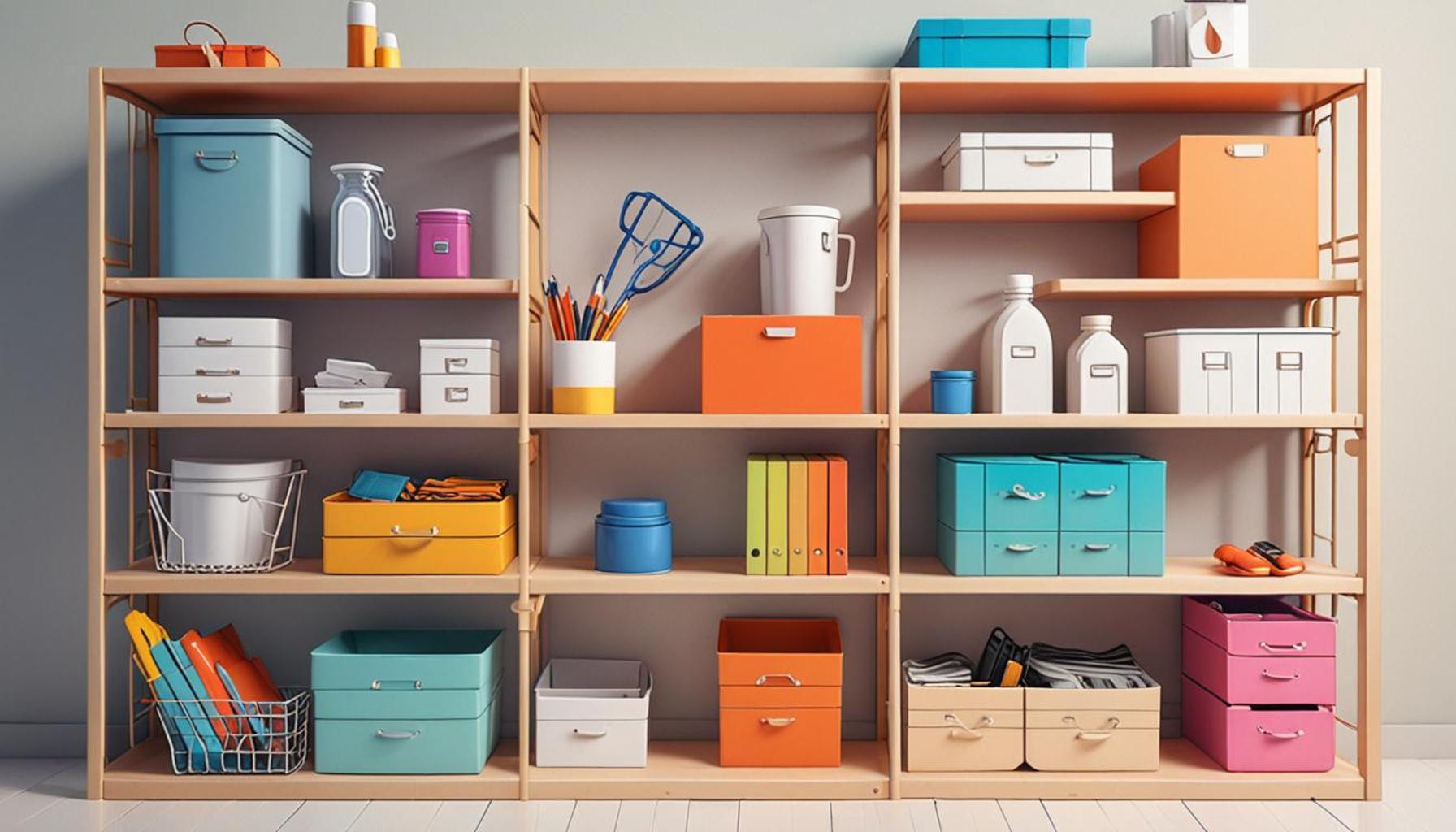
Moreover, aesthetics should not be overlooked. A well-organized space is inherently more visually appealing. With the principles of minimalism in mind, utilizing color-coded bins or uniformly designed shelving can enhance the overall look of your home. This attention to detail not only aligns with minimalist values but also creates a welcoming atmosphere for both residents and guests.
There are numerous practical examples to consider when adopting these systems. For instance, grouping kitchen tools, utensils, and appliances allows for streamlined meal prep, minimizing time spent searching for that elusive spatula. Additionally, sorting books by genre or author ensures that your reading material is easily accessible, allowing for a more enjoyable literary experience. Labeled bins for seasonal clothing also make transitions, such as winter to summer, a breeze, eliminating the stress of searching for out-of-season attire.
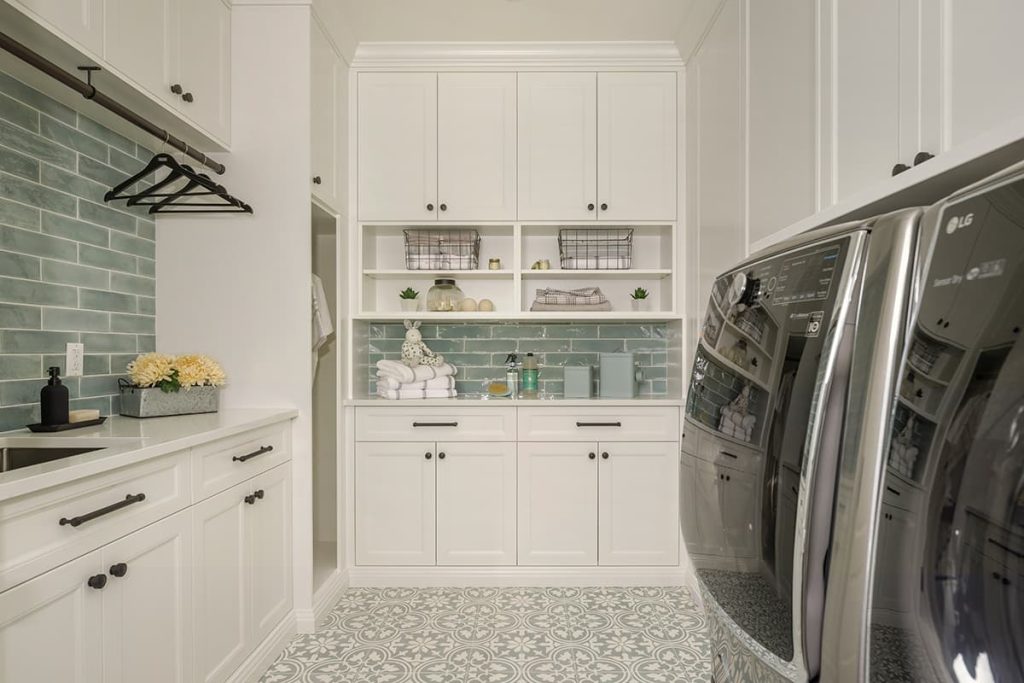
Understanding the methods and advantages of categorization not only serves to declutter physical spaces but also creates a sense of clarity and tranquility within our lives. Embracing these organizational systems in your home can transform your living environment, leading you to a more peaceful and ordered existence. As you explore the various ways to implement these strategies, consider how they can enhance not just your space, but also your overall well-being.
DISCOVER MORE: Click here to learn how to enhance your productivity
Transforming Clutter into Calm: The Role of Categories and Organization Systems
In the quest for a minimalist lifestyle, effectively categorizing and implementing organization systems is essential for maintaining order and clarity in our living spaces. One might wonder, why is categorization such a pivotal aspect of minimalist storage? The answer lies in the profound impact it has on our daily routines and mental state. By utilizing well-defined categories, we enable ourselves to easily locate items, reduce stress, and create a sense of harmony in our environments.
First and foremost, establishing categories brings a layer of simplicity to our previously chaotic lives. For example, consider the concept of sorting items into distinct groups based on usage. By placing all gardening tools together, placing sports equipment in one area, and keeping cleaning supplies centralized, the clutter is significantly minimized, making your home not only visually appealing but also functional. This method of grouping can be particularly beneficial in common areas like the kitchen:
- Cookware: All pots, pans, and baking dishes can be stored in close proximity, making meal preparation swift and easy.
- Utensils: Keep spatulas, whisks, and measuring tools organized in designated drawers to streamline cooking tasks.
- Food Storage: Use clear containers for ingredient storage, allowing for quick access and immediate visibility of contents.
Another significant benefit of categorizing is that it creates a feeling of ownership and accountability for your belongings. When items are grouped logically, each category serves as a reminder of what you own and what you may no longer need, incentivizing a more intentional approach to consumption. For those in the United States grappling with consumer culture, this mindset shift can be transformative, promoting sustainability and deeper appreciation for what you acquire.
Furthermore, organization systems enhance our ability to maintain a minimalist lifestyle by fostering enduring habits. Implementing methods such as the “one in, one out” rule — where acquiring a new item necessitates removing an existing one — can be an effective strategy to counteract clutter accumulation. Adding labels to bins and containers not only aids in compliance with these systems but also enhances accessibility. When you know exactly where items belong and can quickly find them, the tendency to let things pile up is significantly diminished.
Good organization systems also lay the foundation for practical habits in spaces that naturally generate chaos. For instance, a well-defined mail station can prevent paperwork from flooding your kitchen counter, while a designated home for bags, shoes, and outdoor gear can foster a sense of order in entryways. This proactive approach reduces friction in daily activities, allowing the same efficiency to echo throughout your life.
As we delve deeper into the principles of minimalist storage, it’s evident that the interrelation of categories and organization systems serves as the backbone of an orderly life. Rather than being mere decorations in your home, they are vital tools that lead to lasting peace and mindfulness, fostering an atmosphere where both productivity and tranquility can flourish.
The Importance of Categories and Organization Systems in Minimalist Storage
In the realm of minimalist storage, having a well-defined categorization system is paramount. Categories act as guiding principles that simplify the organization of belongings, allowing individuals to streamline their possessions with ease. For instance, categorizing items into clear sections—such as “clothing,” “kitchenware,” and “documents”—enables a more focused approach to decluttering. This method not only reduces physical clutter but also mental clutter, leading to a more serene living environment.Moreover, a thoughtful organization system aligns with the minimalist philosophy by promoting intentionality—keeping only what is necessary and meaningful. When items are systematically categorized, finding what you need becomes effortless, fostering a habit of returning items to their designated places. This practice further nurtures an ethos of minimalism, transforming storage from a chaotic task into a highly purposeful routine.A practical example of this is the use of transparent storage bins labeled clearly for each category. This transparent organization not only allows for easy identification but also encourages maintenance of a minimalist practice. Furthermore, integrating digital tools, like apps dedicated to inventory management, can enhance organization, providing users with a virtual inventory that complements physical categorization.Technology has also introduced innovative solutions like RFID tagging, which enables quick scanning of items to keep track of your categorized possessions. These modern systems support the idea that minimalist living does not mean sacrificing functionality. Instead, it enhances it through intelligent layout and efficient space usage, embodying the true spirit of minimalist storage.With the right categories and organizational structures in place, embracing a minimalist lifestyle becomes more attainable. As you refine your approach to storage, consider personalizing your systems based on your lifestyle and preferences, making the transition not just a chore but an empowering experience that cultivates a more mindful presence in your everyday life.
| Category | Description |
|---|---|
| Physical Items | Clothing, utensils, books organized by type |
| Digital Assets | Files and documents systematically labeled and stored |
| Emotional Belongings | Items with sentimental value categorized for easy access |
| Seasonal Collections | Organized by season for easy retrieval and storage |
DISCOVER MORE: Click here to enhance your home’s productivity
Creating Cohesion Through Thoughtful Organization
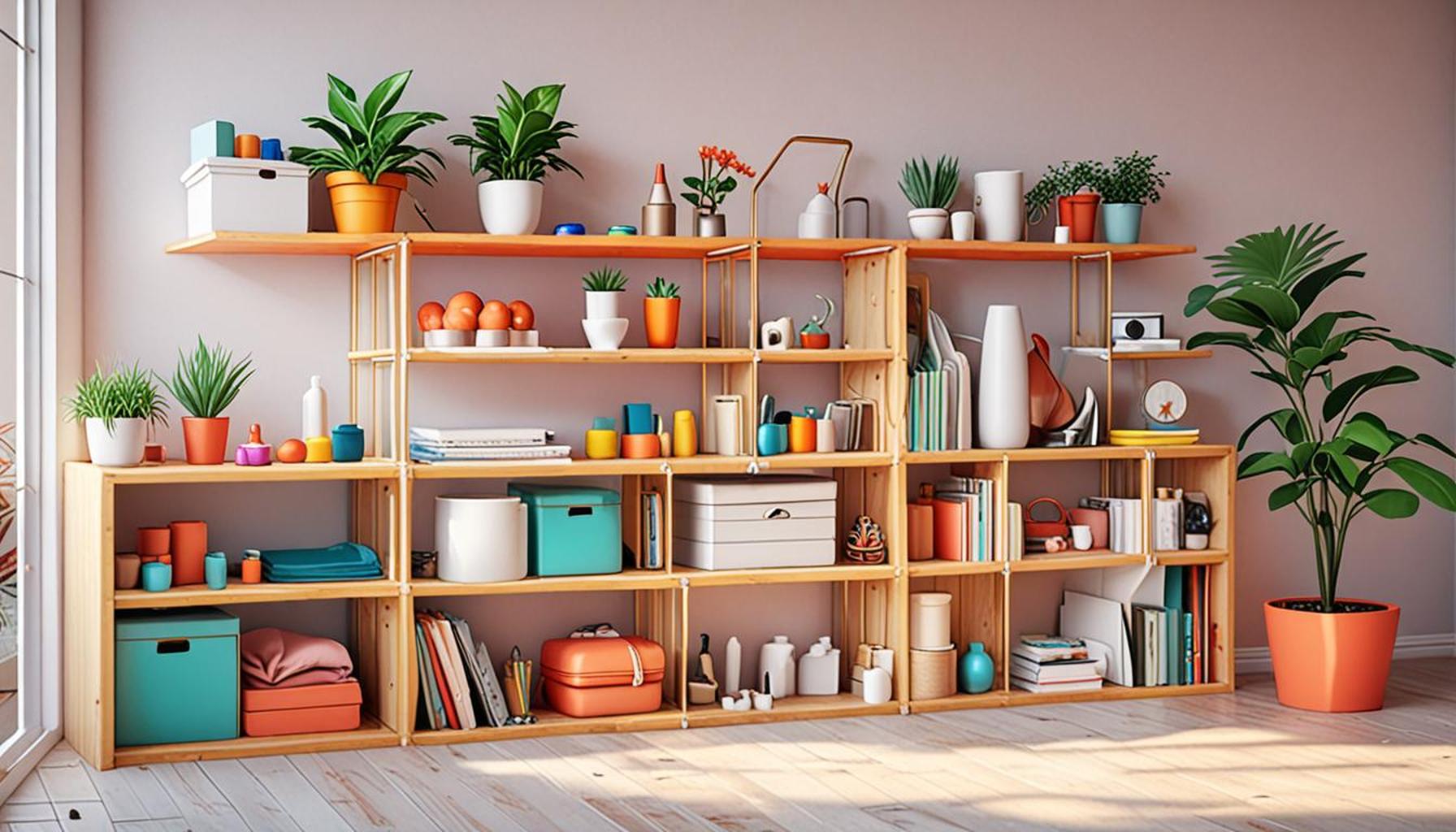
The dynamic interplay between categories and organization systems does not simply tidy up spaces; it constructs a cohesive environment that reflects your values and lifestyle choices. Building on the foundational idea of categorization, the design of your organization system should inherently adapt to your daily life, further enhancing the benefits of minimalism. For example, implementing a modular storage solution that allows for customization can facilitate the ease of access while maintaining a pristine aesthetic.
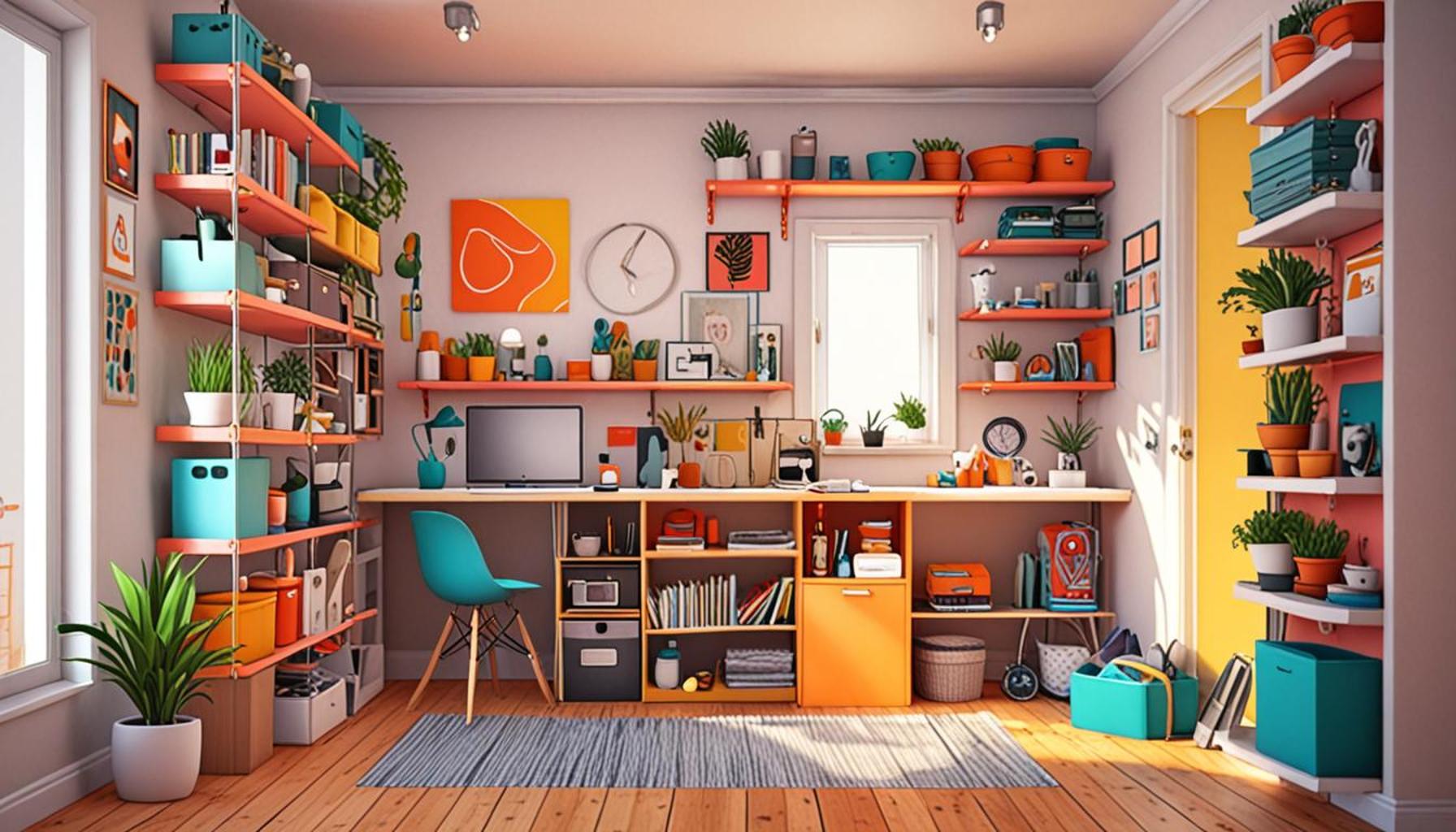
One innovative approach that has gained traction in recent years is the use of vertical storage solutions. Utilizing wall-mounted shelves and hooks can free up floor space and make it easier to categorize smaller items. For instance, by designating one wall in your home office for tools, craft supplies, or cables, you’ll create an organized center that invites creativity and minimizes clutter. This not only keeps items off surfaces but also draws attention to the possessions you truly value, enriching your living area.
Moreover, the psychological impact of a well-organized space cannot be underestimated. Research has shown that clutter can contribute to feelings of anxiety and overwhelm. Conversely, a clear categorization and organization system can create a sense of control and well-being. A study conducted by the Princeton University Neuroscience Institute found that physical clutter competes for your attention, leading to decreased performance and increased stress levels. In essence, categorizing items into respective systems may contribute to mental clarity and improved focus.
Another effective strategy in the realm of minimalist storage includes using multi-functional furniture. Items that serve dual purposes—such as coffee tables with storage compartments or ottomans that open to reveal additional space—can streamline organization. In this context, categories can consist of specific functions, such as “entertainment” for board games and movies or “relaxation” for books and magazines, cleverly disguised within furniture designs. The versatility of these pieces allows for seamless integration into various living spaces, thereby supporting a sustainable lifestyle devoid of unnecessary additions.
Furthermore, digital categorization is an emerging facet of minimalist storage that should not be overlooked. In a technology-driven age, having a well-organized digital space can be as crucial as a clutter-free physical environment. Tools such as cloud storage and organizational apps allow you to categorize digital files, photos, and documents effectively. By creating folders labeled by theme or project and keeping files properly archived, you ensure that your digital life mirrors the tranquility you aim to achieve in your physical surroundings.
As we further explore the landscape of minimalist storage, it becomes clear that categories and organization systems serve as vital instruments for empowerment. When you simplify your physical space, you are making a proactive choice to create a life that reflects intentionality and purpose. With creativity and strategy, anyone can transform their home into a sanctuary of relaxation and efficiency, reinforcing the idea that less truly can lead to more—more enjoyment, more focus, and more clarity.
DISCOVER MORE: Click here to enhance your mental wellness
Conclusion
In the journey towards embracing a minimalist lifestyle, the significance of categories and organization systems cannot be overstated. They serve not only as a means to declutter your physical space but also as tools that empower your mental clarity and emotional well-being. By establishing clear categories, you create a framework that streamlines not only your possessions but also your thoughts and routines, leading to a more intentional and focused life.
The adaptability of your organization system, whether through modular designs or multifunctional furniture, plays a pivotal role in accommodating the unique aspects of your everyday life. This flexibility allows you to maintain the aesthetic simplicity that embodies minimalism while tailoring your space to meet your specific needs. As research highlights, an organized environment can significantly reduce stress and enhance productivity, underscoring the profound psychological benefits associated with a well-categorized home.
Moreover, as we navigate an increasingly digital world, the integration of digital organization strategies is essential. Categories in your digital life, such as organized folders and cloud storage, can provide the same calming order to your online activities as they do in your home, creating a sense of peace that complements your physical surroundings.
Ultimately, the art of minimalism invites you to reassess what truly matters to you. As you harness the power of organization and categorization, you can unleash the potential for a more enjoyable, fulfilling, and unencumbered lifestyle. This practice not only reflects your evolving values but cultivates a serene environment that prompts greater creativity, focus, and satisfaction in your daily life. Thus, moving towards a minimalist existence becomes less about what you eliminate and more about what you choose to embrace.